Geotechnical site investigation in Edinburgh is the foundational process that determines the physical, chemical, and mechanical properties of soil and rock beneath a proposed development. It encompasses a range of intrusive and non-intrusive techniques designed to identify ground conditions, assess potential hazards such as mining voids or soft alluvial deposits, and deliver the design parameters essential for safe and cost-effective construction. In a city where historic structures stand alongside ambitious modern developments, the role of a thorough investigation cannot be overstated; it mitigates the risk of unforeseen ground conditions that could lead to structural failure, project delays, or significant financial overruns. From the volcanic crags of Arthur's Seat to the reclaimed shores of Leith, Edinburgh's varied subsurface demands a meticulous and tailored approach to ground investigation.
The geological context of Edinburgh is dominated by a dramatic legacy of Carboniferous volcanism and Quaternary glaciation. The city is famously built on a series of glacial crags and tails, where hard, erosion-resistant volcanic plugs like the Castle Rock and Calton Hill have protected softer sedimentary rocks to their east from glacial scour, creating the distinctive ridged landscape. Beneath the historic Old Town, the bedrock is largely composed of sedimentary strata including sandstones, siltstones, and limestones of the Lower Carboniferous period, often intruded by dolerite sills. Overlying this solid geology are complex superficial deposits: a mantle of glacial till, or boulder clay, covers much of the area, while post-glacial raised beach sands and gravels are prevalent in the coastal fringes near Leith and Granton. Critically, many low-lying areas contain soft, compressible alluvial clays and silts along the Water of Leith and former lochs, which present significant engineering challenges for foundations and earthworks.
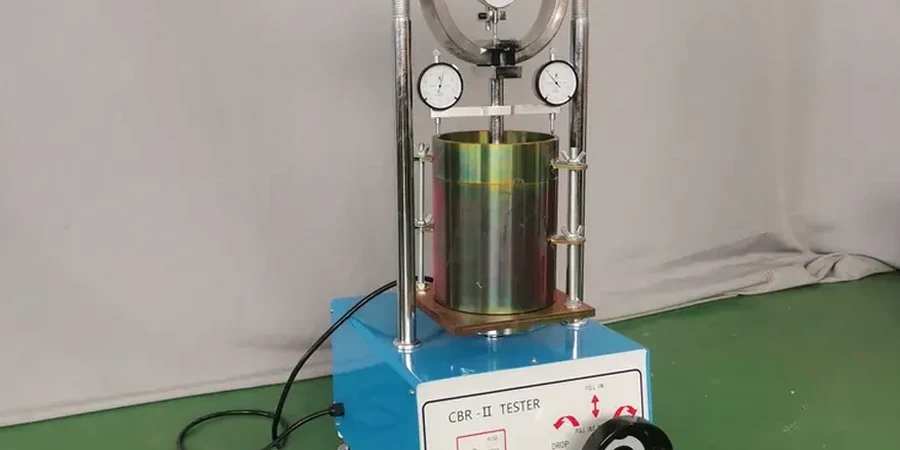
All ground investigation work in Edinburgh must strictly adhere to the robust framework of UK standards, primarily BS 5930:2015+A1:2020, the code of practice for ground investigations, and BS EN 1997-1 and -2 (Eurocode 7), which governs geotechnical design. These standards dictate the planning, execution, and reporting of investigations, ensuring a consistent and reliable approach to managing geotechnical risk. A typical investigation will integrate various techniques, and the Standard Penetration Test (SPT) remains a fundamental in-situ method for assessing the relative density and strength of granular soils and weak rock, providing disturbed samples for visual classification. This is often complemented by dynamic probing, cable percussive boreholes, and rotary core drilling to retrieve undisturbed samples and intact rock core for laboratory testing. The resulting interpretative report, a legal requirement under the Construction (Design and Management) Regulations 2015, must clearly define the ground model, assess geohazards, and deliver characteristic values for design, forming the basis of the Geotechnical Design Report (GDR).
The requirement for a detailed site investigation in Edinburgh spans a wide spectrum of construction and civil engineering projects. It is an indispensable precursor for the deep basements and piled foundations of new commercial developments in the city centre, where the proximity of historic vaults and neighbouring structures demands precise knowledge of the ground. Residential expansions on the urban fringe, where greenfield sites may be underlain by abandoned limestone or coal mine workings, rely on investigation to design appropriate grouting or reinforcement measures. Infrastructure projects, such as the Edinburgh Tram extension or the upgrading of the city's Victorian drainage network, require extensive linear investigations to manage the interface between hard volcanic rock, soft glacial deposits, and man-made fill. Even smaller-scale domestic extensions in areas with known shrinkable clay soils or a history of shallow mining necessitate a targeted investigation to satisfy building control requirements and ensure long-term structural integrity.
Available services
Quick answers
What is the purpose of a geotechnical site investigation?
A geotechnical site investigation aims to characterise the physical, chemical, and mechanical properties of soil and rock at a site. This process identifies potential hazards like soft ground, contamination, or mining voids, and provides the essential design parameters engineers need to design safe, stable, and economical foundations and earthworks, thereby mitigating the risk of unforeseen ground conditions.
When is a site investigation required for a project in Edinburgh?
A site investigation is required for virtually all construction projects in Edinburgh, from major commercial developments and infrastructure to domestic extensions. It is a legal obligation under the Construction (Design and Management) Regulations 2015 to manage geotechnical risk. Specific triggers include any structure requiring foundation design, earthworks, or where historical maps indicate potential mining or unstable ground.
What are the typical stages of a ground investigation in the UK?
A typical investigation follows a phased approach outlined in BS 5930:2015+A1:2020. It begins with a desk study to collate historical, geological, and environmental data. This is followed by a walkover survey and then the main intrusive investigation involving boreholes, trial pits, and in-situ testing like the SPT. The final stage is laboratory testing of samples and the production of an interpretative geotechnical report.
How do local geological conditions in Edinburgh affect site investigations?
Edinburgh's complex geology of volcanic crags, glacial till, and soft alluvial deposits requires a highly tailored investigation strategy. Hard dolerite sills may require rotary core drilling, while the soft silts of infilled lochs demand specialist sampling like thin-walled piston samplers. The high risk of shallow coal and limestone mine workings in certain districts also necessitates specific probing and drilling patterns to locate and assess voids.