We deploy inclinometers, piezometers, and settlement cells across Edinburgh's construction sites. The city's complex geology—glacial till over fractured sedimentary rock—demands precise monitoring. Our field crew installs manual and automated systems using a track-mounted drill rig. Each sensor is wired to a remote datalogger for real-time data acquisition. Before installation we review the site layout and coordinate with the main contractor. This avoids buried utilities and ensures safe access for future readings. Typical deployment takes one to three days depending on borehole depth and number of instruments. We also integrate georradar GPR surveys to confirm sensor positions before burial.
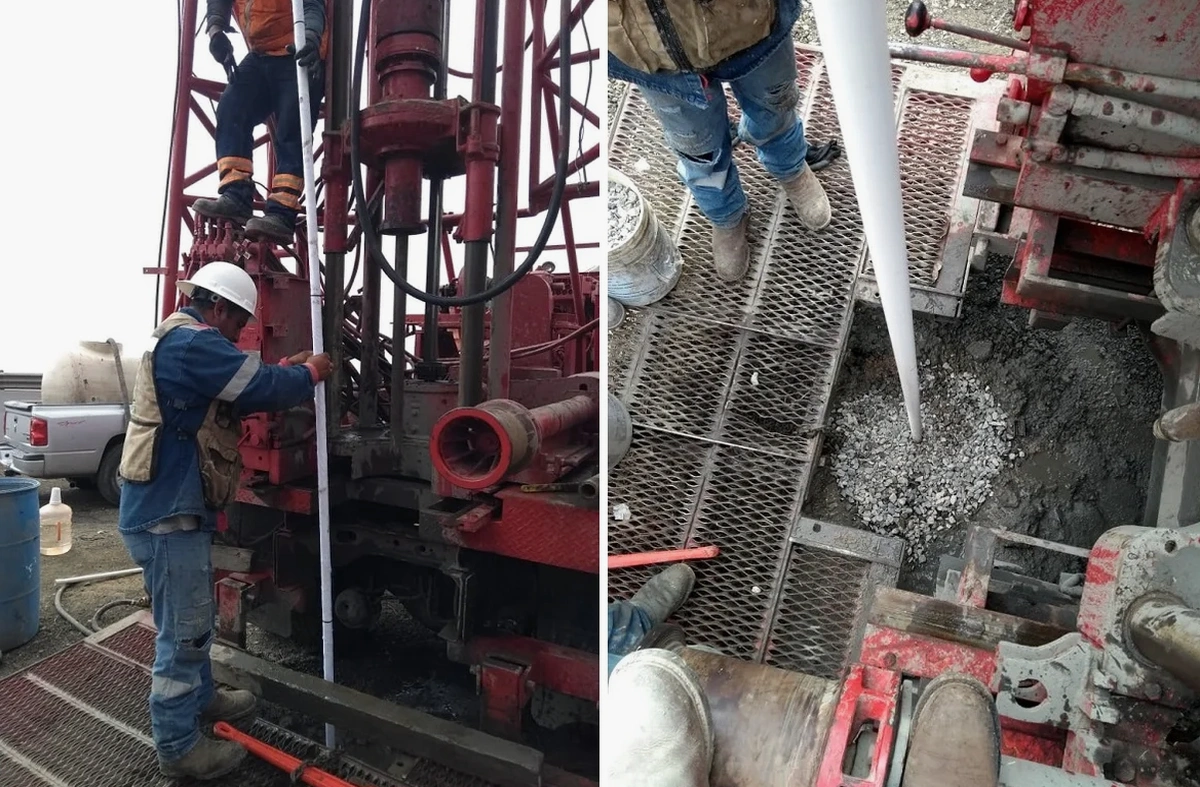
Real-time pore pressure and deformation data from Edinburgh's glacial till let engineers adjust excavation sequences before cracks appear.
Scope of work in Edinburgh
Typical technical challenges in Edinburgh
A five-storey student housing project near Holyrood Park began showing tension cracks in the retaining wall. The contractor had installed no inclinometers or piezometers. Within one week the wall tilted 12 mm at mid-height. Groundwater levels were unknown. We deployed four inclinometers and three vibrating-wire piezometers in 48 hours. Data showed artesian pressure in the underlying sandstone. The design team reduced the excavation depth by 1.5 metres and added drainage. The wall movement stopped within three days. This Edinburgh case shows why early instrumentation saves costly rework.
Our services
We design and install two main instrumentation packages for Edinburgh projects.
Inclinometer systems
Manual or automated inclinometer casing installed in boreholes up to 35 m deep. We take zero readings, run monthly surveys, and deliver displacement plots against depth. Used for retaining walls, deep excavations, and slope monitoring.
Piezometer networks
Standpipe and vibrating-wire piezometers for pore pressure monitoring. Automated dataloggers record hourly readings. Data is reviewed weekly. Alerts are sent when thresholds are exceeded.
FAQ
How long does it take to install geotechnical instrumentation in Edinburgh?
A typical inclinometer or piezometer installation takes one to three days per borehole. Larger networks with multiple sensors and automated dataloggers can take up to one week. We coordinate with the contractor to minimise disruption to the construction schedule.
What is the typical cost range for instrumentation design and installation?
The cost for a complete instrumentation package in Edinburgh ranges from £1,750 to £3,760 per borehole. This includes sensor supply, drilling, installation, and initial data collection. The final price depends on borehole depth, number of sensors, and data-logging requirements.
Do you provide data interpretation after installation?
Yes. We offer weekly data review and monthly reports with displacement and pore pressure trends. For critical projects we deliver real-time dashboard access and automated alerts. Our team can also advise on trigger levels and corrective actions based on the data.